
Avoyelles among the last using an outdated system
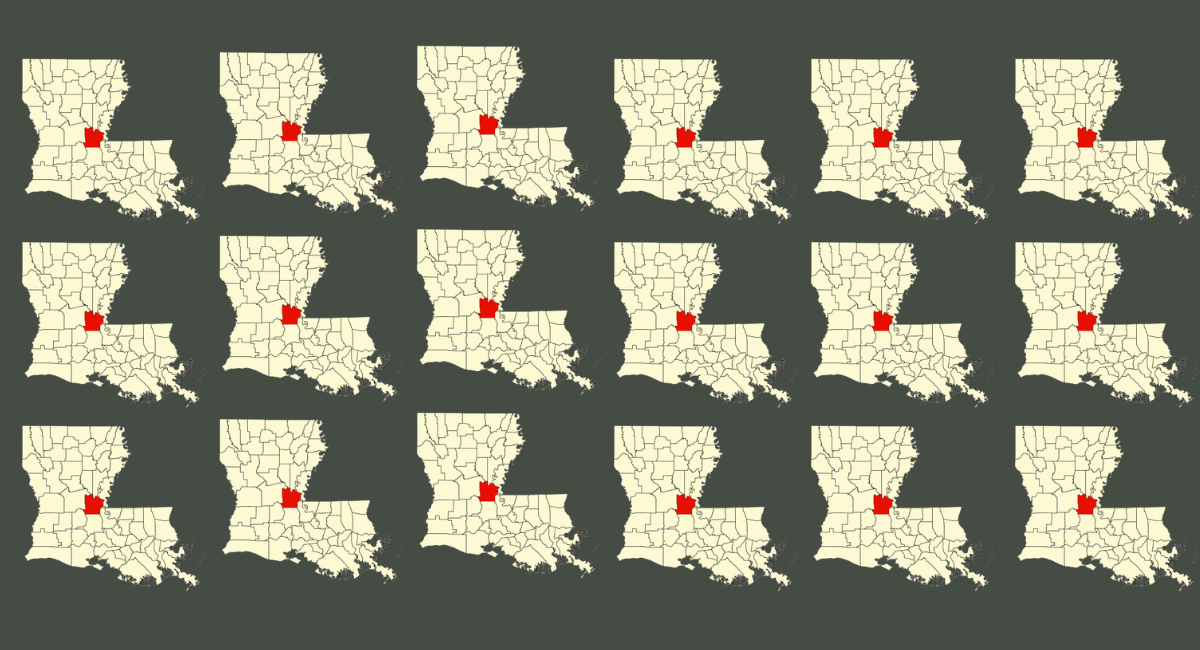
Voters now decide what comes next
In the upcoming election, the people of Avoyelles Parish will be asked to make an important decision about how their local government is structured. For some, this may feel like a new proposal. In reality, it is anything but.
Several years ago, a group of citizens came together under the name “We the People of Avoyelles Parish” with a clear purpose. They wanted to study how local governments function and give voters the opportunity to consider a different model. What followed was a long and deliberate process.
Meetings were held, research was conducted, experts were consulted, legal challenges were addressed, and after years of work, the question is now before the voters. This is not something rushed, it is not untested, and it is a decision built on years of study and preparation.
Across the United States, there are more than 3,100 counties, and every one of them operates under some form of modern local government structure. These systems vary in name, but they share a common approach, with a clearly defined executive responsible for daily operations and a legislative body responsible for laws, budgets, and oversight.
This structure creates a separation of responsibilities and a clear line of accountability. The proposal before Avoyelles Parish follows this same model. Out of more than 3,100 counties across America, Avoyelles Parish is one of a small number of local governments still operating under the police jury system, a form of government that is unique to Louisiana and dates back to the early 1800s.
This is not a new idea. It reflects how local government is already organized across the United States.
Louisiana is the only state in the nation that still uses the police jury system, and even within Louisiana, that is changing. Out of 64 parishes, 38 continue to operate under the police jury system, while 26 have adopted alternative forms of government, including home rule charters and president-council systems. That means a significant number of parishes in this state have already chosen to move to a structure similar to what is now being proposed in Avoyelles Parish. These systems have been in place for years and are well established.
At its core, this decision is about how responsibilities are organized. The current system places both administrative and legislative responsibilities within the same body. The proposed system separates those roles by establishing a Parish President, elected by voters across the entire parish, who would be responsible for administration and day to day operations, and a Parish Council, made up of nine members elected from individual districts, who would handle legislation, budgeting, and oversight. This structure is designed to clearly define who is responsible for what while ensuring representation across the parish. It is a model that is widely used and widely understood.
This vote does not introduce a new concept. It presents a choice between continuing with a system that exists only within Louisiana or adopting a structure that is used across the United States and already in place in many Louisiana parishes. Both systems are established, and both have been used over time. The difference is how responsibilities are organized and how government functions on a daily basis.
After several years of study, discussion, and preparation, the decision now rests with the voters of Avoyelles Parish. It is an opportunity to consider how local government is structured, how it operates, and how it compares to systems used elsewhere. No matter the outcome, this moment represents something important. It is the ability of the people to evaluate their system of government and decide its future.
Across the United States, local governments operate under a consistent and widely used structure. Within Louisiana, many parishes have already adopted that model. Now, Avoyelles Parish has the opportunity to decide for itself. The choice is simple. The decision is yours.

Comments ()