LSU AgCenter Secures $1 Million 💰 to Combat Invasive Species!
LSU AgCenter Secures $1 Million to Lead Regional Fight Against Invasive Species
The LSU AgCenter has secured $1 million in federal funding to expand efforts aimed at detecting and controlling invasive species that threaten agriculture and natural resources across Louisiana and the Mississippi River Valley.
The funding will support the creation of the Mississippi River Invasive Species Consortium, a regional research and outreach hub coordinated by the LSU AgCenter. The consortium will bring together scientists from land-grant universities throughout the Mississippi River Valley to collaborate on the detection, identification and management of invasive and non-native pest species that pose economic, environmental and social challenges.
The funding was secured with the support of Julia Letlow, who serves on the House Committee on Appropriations Subcommittee on Agriculture, Rural Development, Food and Drug Administration, and Related Agencies. The funds were included in recently approved legislation and will be distributed through the U.S. Department of Agriculture Agricultural Research Service.
“I am proud to champion this crucial investment in the Mississippi River Invasive Species Consortium’s efforts to combat invasive species,” Letlow said. “This funding will empower our universities and partners to develop science-based solutions that safeguard our farmers, communities and economy for generations to come.”
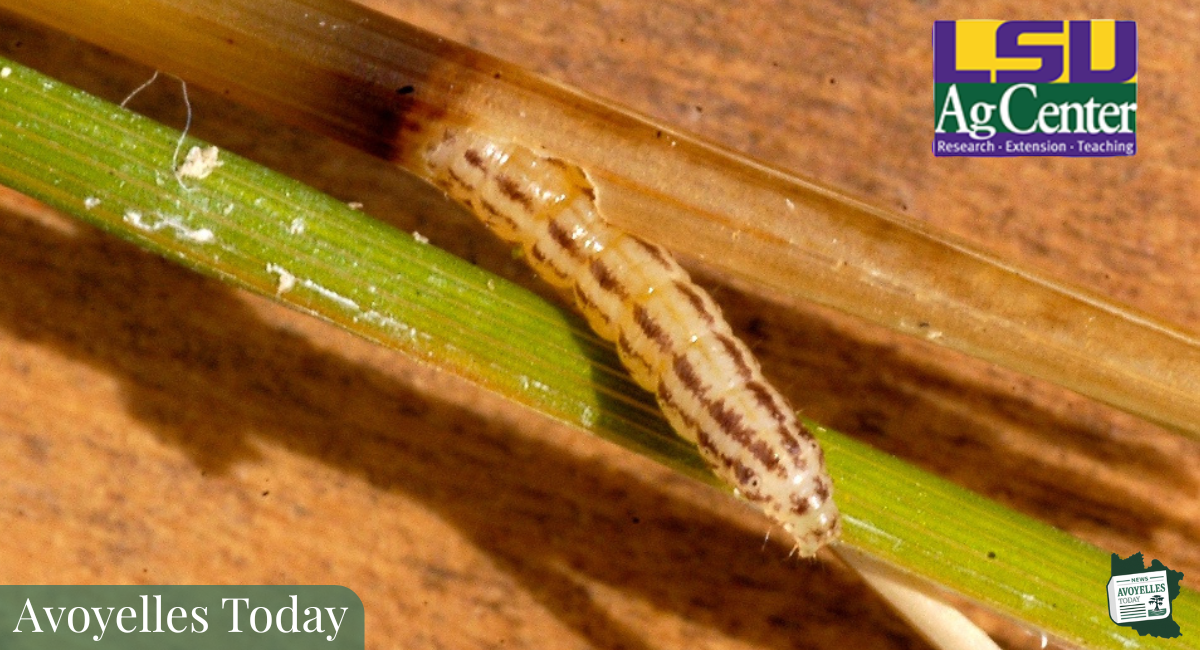
Invasive species — which include non-native plants, animals and microorganisms — often crowd out native species, damage ecosystems and disrupt agricultural production. Louisiana’s warm climate and diverse habitats make it particularly vulnerable to invasive threats such as giant salvinia, feral hogs, Chinese tallow trees, air potatoes, apple snails, Mexican rice borers, Asian carp, citrus greening disease, guava root-knot nematodes and emerald ash borers.
Louisiana’s role as a hub of global agricultural trade along the Mississippi River further increases exposure to invasive species, a challenge shared by states throughout the the river’s extensive watershed.
The LSU AgCenter already operates a Center of Research Excellence for the Study of Invasive Species. The new consortium will expand that work across a region stretching from the Great Lakes to the Gulf Coast.
“This funding will allow us to coordinate detection, identification, research and best management practices to mitigate invasive species threats,” said Matt Lee, senior vice chancellor of the LSU AgCenter and dean of the LSU College of Agriculture. “Invasive species cost Louisiana’s agricultural producers and the state’s economy tens of millions of dollars annually, with national impacts exceeding $120 billion each year.”
Members of Louisiana’s congressional delegation also praised the initiative. John Kennedy said the consortium will help address threats posed by species such as Asian carp and hydrilla, while Bill Cassidy emphasized the importance of protecting Louisiana’s coastline, wildlife and agricultural resources.
How This Helps Avoyelles Parish
While the funding is regional, its impact is local. Avoyelles Parish sits within the Mississippi River basin, where invasive species such as feral hogs, aquatic weeds, insect pests and crop diseases pose ongoing threats to row crops, crawfish ponds, timberland and waterways. The new consortium strengthens early detection, research and response efforts that directly support local farmers, landowners and wildlife managers, helping protect agricultural productivity and natural resources in Avoyelles Parish and throughout central Louisiana.
More information on the consortium and other LSU AgCenter initiatives is available at www.LSUAgCenter.com



Comments ()