
Moreauville faces questions over water rates, drainage and infrastructure
By Amy Ducote
Drainage problems, rising utility bills, infrastructure projects and municipal spending have raised concerns among Moreauville residents.
Mayor Beryl Pierite Holmes responded to questions from the Avoyelles Weekly News, providing documents and explanations regarding utility rates, her compensation and ongoing improvements.
Her responses clarified several financial and project-related questions, although concerns remain about drainage, utility costs and when infrastructure improvements will be completed.
Drainage remains a concern
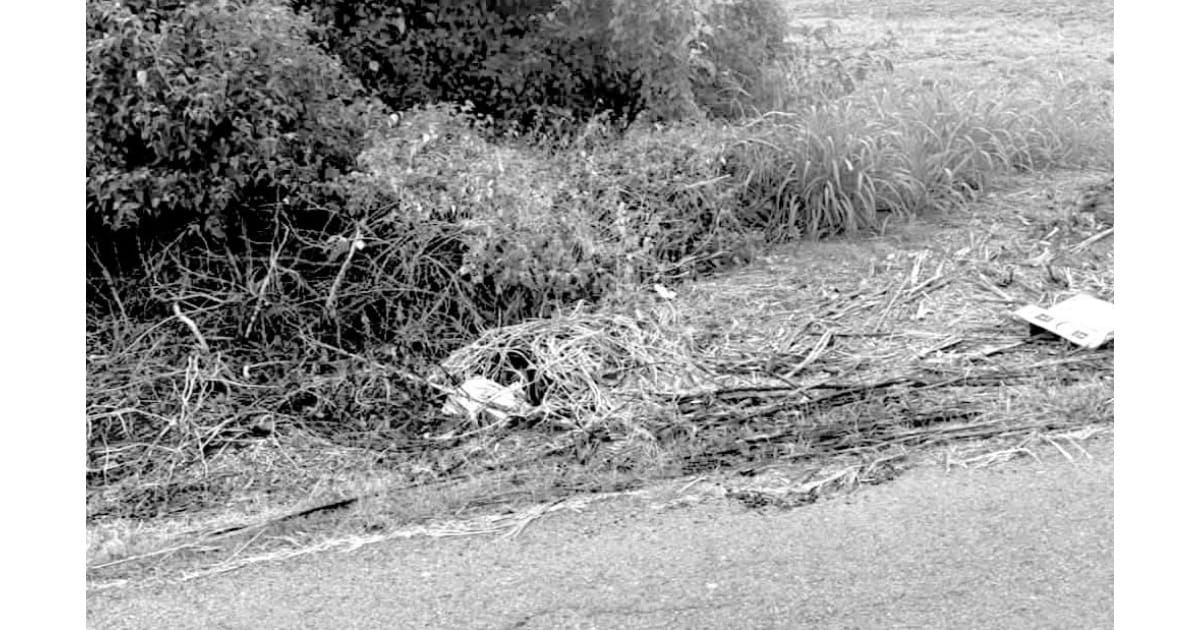
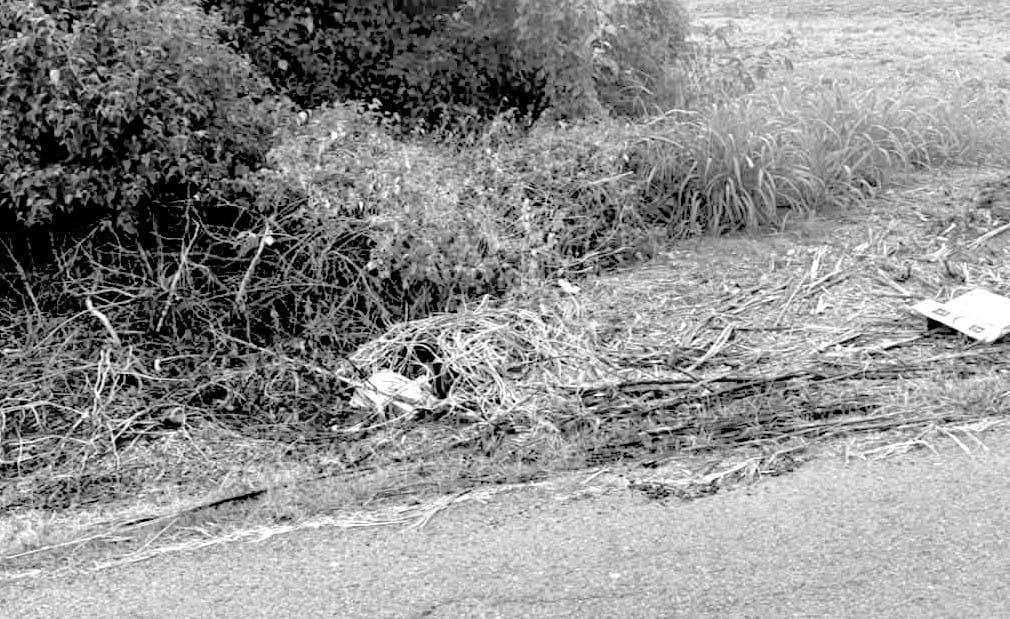
Drainage remains a concern in Moreauville following the historic June flooding, with residents reporting overgrown ditches, obstructions and areas where water does not drain properly.
Holmes acknowledged the problems, saying drainage deficiencies existed before she took office and that her administration has continued seeking funding for improvements.
The village applied for approximately $1 million in drainage funding in July 2025 but was unsuccessful. Another application requesting approximately $1 million was submitted to the Delta Regional Authority in August 2026. Holmes said the village was awaiting a decision.
While major improvements depend on securing funding, residents continue to question what routine maintenance and smaller projects can be completed to clear ditches and improve drainage without waiting for a grant.
Water and wastewater rates clarified
Water and wastewater bills have been a concern among Moreauville residents following rate increases.
Holmes explained that the village purchases water from the Avoyelles Water Commission, which increased its wholesale rate in 2023. Rather than immediately passing the additional cost to customers, the village initially absorbed the increase.
In response to follow-up questions, Holmes clarified that a rate increase ordinance was introduced in October 2023. Following a rate study and public hearing, the Village Council adopted Ordinance 2024-02 on March 11, 2024, establishing revised rates effective March 1, 2024.
However, customers began paying the increased rates in April 2024, based on March meter readings.
Holmes said the rate study found Moreauville's rates were below those of comparable systems and that the utility operation was losing money. She maintained the increases were necessary to cover operating costs and maintain a financially sustainable system. Residents experiencing unusually high bills are encouraged to check for leaks and contact the village office. Holmes said the sewer portion of a bill may be adjusted when a legitimate leak occurs and the water does not enter the sewer system.
Regarding disconnections for unpaid bills, Holmes said the village has established procedures but supports reviewing whether customers could receive an additional reminder before service is interrupted.
Wastewater rehabilitation projected for July 2027
Moreauville's wastewater treatment plant is undergoing major rehabilitation, including improvements involving six lift stations.
Holmes said work began during the summer of 2026, but progress has been delayed by a backordered clarifier, a specialized component required for the treatment plant.
In her latest written response, Holmes confirmed that contractors and engineers project July 2027 as the completion date for both Phase I and Phase II. Separate completion dates for individual components, including the six lift stations, were not provided.
The project is intended to modernize aging infrastructure and improve the reliability of the village's wastewater system.
Mayor's salary explained
Questions about municipal spending have also included compensation paid to the mayor.
An ordinance approved by the Village Council on Aug. 12, 2024, established the mayor's annual salary at $30,000, or $2,500 per month.
However, the village's financial audit for the fiscal year ending June 30, 2025, reported salary payments totaling $26,400. The difference prompted a follow-up inquiry seeking clarification of when the approved increase took effect.
Holmes provided a breakdown of her compensation during the fiscal year, explaining that she continued receiving her previous salary of $700 per month during July and August 2024.
Those two months accounted for $1,400.
Beginning in September 2024, her salary increased to $2,500 per month. The remaining 10 months of the fiscal year totaled $25,000.
Combined, the payments amounted to $26,400, matching the amount reported in the village's financial audit. The explanation reconciles the salary reported in the audit with the compensation established by the August 2024 ordinance.
Holmes previously said she had served approximately six years at $700 per month before the adjustment. She explained that her responsibilities extend beyond attending council meetings and include overseeing daily village operations, accounting and financial management, employees, grant applications, infrastructure projects and coordination with state and federal agencies.
The mayor said her compensation is paid through the village's general fund rather than utility revenues.
Public records and accountability
Holmes also addressed questions involving public access to village records.
According to the mayor, to her knowledge, only two residents had submitted public records requests during her eight years in office.
In one instance, Holmes said the requested documents were prepared and made available for pickup, but the individual did not return to retrieve them.
In another instance, she said the requested information was provided.
Holmes maintained that her administration supports transparency and compliance with Louisiana's Public Records Law. Access to municipal records, financial information, contracts and project documentation remains an important part of public oversight, particularly when local governments receive substantial state and federal funding.
Public records also provide residents with an opportunity to examine how projects are financed, when contracts are approved and whether expenditures are consistent with the village's financial reporting.
Work remains ahead
Holmes said her administration has pursued millions of dollars in funding for wastewater, roads, water and gas infrastructure, but acknowledged that drainage, streets, sidewalks and other municipal services still need attention.
She said the village will continue seeking grants and pursuing improvements despite previous funding setbacks. While her responses clarified questions about utility rates, compensation and project timelines, concerns remain about drainage and when improvements will be completed.
For residents, the measure of progress will be whether these investments result in better drainage, reliable utilities and visible improvements throughout Moreauville.


Comments ()