
Opioid Addiction Is Not the End of the Story: Recovery Is Possible
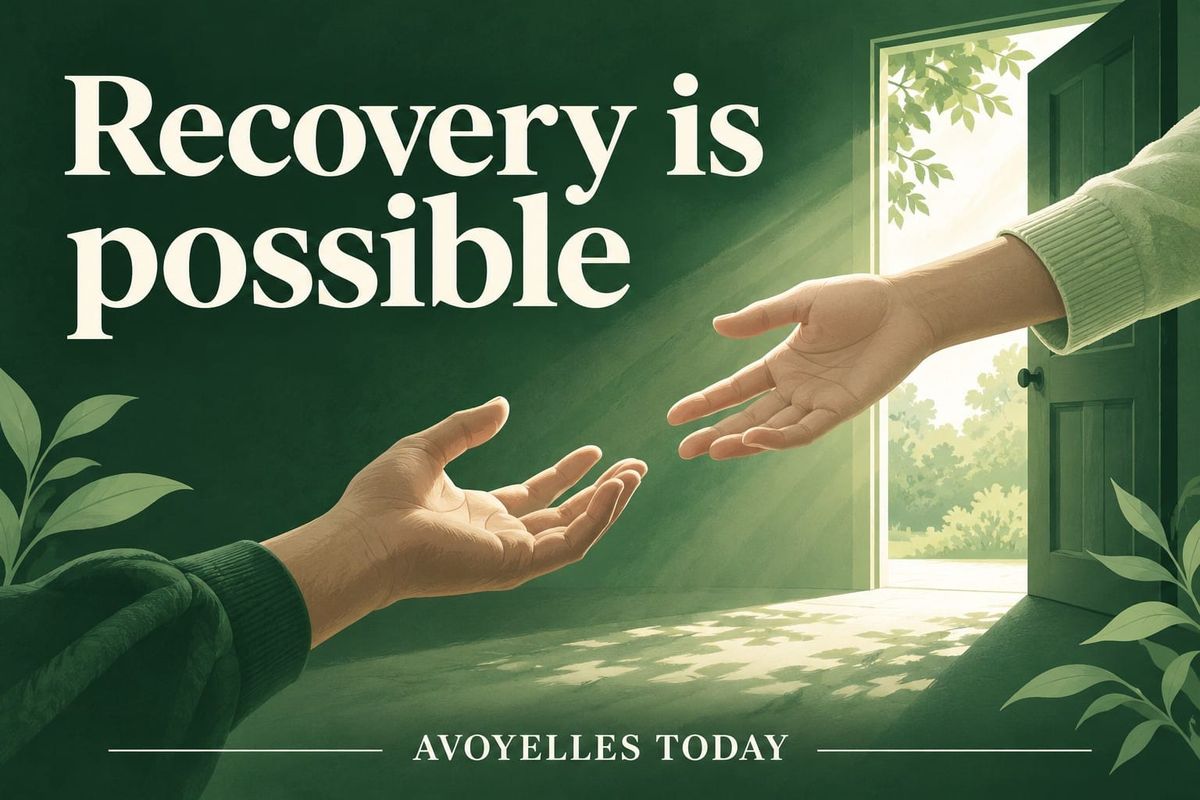
Breaking the cycle of addiction begins with understanding, compassion, and access to treatment
By Jeffrey Fontenot, BS, RAC, CCGC
Primary Counselor, Beyond the Horizon Treatment Center, Mamou
Opioid addiction continues to affect families, communities, and individuals across Louisiana and the nation. Behind every statistic is a human being, a son or daughter, a parent, a spouse, a friend, or a neighbor, whose life has been impacted by a disease that can be difficult to overcome without help.
But there is another side to the story: recovery is possible, treatment works, and people can rebuild their lives after opioid addiction.
Understanding the disease
Opioids, including prescription pain medications, heroin, and illicitly manufactured fentanyl, can change the brain’s systems responsible for pain, reward, and motivation. With repeated use, a person may develop physical dependence and opioid use disorder, a medical condition characterized by difficulty controlling opioid use despite harmful consequences.
Addiction is not simply a lack of willpower or a moral failing. It is a complex health condition influenced by biological, psychological, and social factors. Trauma, chronic pain, mental health conditions, family history, and environmental circumstances can all contribute to a person’s risk.
Stigma, however, remains one of the greatest barriers to recovery. Fear of judgment can prevent individuals from seeking help, disclosing their substance use, or asking their families for support.
Recognizing opioid addiction as a treatable medical condition is an important step toward changing that reality.
Devastating impact on families and communities
The effects of opioid addiction often extend far beyond the individual. Families may experience financial hardship, emotional distress, strained relationships, and uncertainty about the future. Children may be affected by instability in the home, while employers, schools, healthcare facilities, and community organizations face the broader consequences of substance use.
The presence of fentanyl in the illicit drug supply has made the crisis even more dangerous. Because fentanyl is extremely potent, people may unknowingly consume it in counterfeit pills or other substances, increasing their risk of a fatal overdose.
Yet even in communities that have experienced devastating losses, hope remains. Every person who enters treatment, every family that learns how to support a loved one, and every overdose reversed represents an opportunity for a different outcome.
Recovery is more than stopping drug use
Recovery is not simply the absence of opioids. It is the process of regaining stability, improving health, restoring relationships, and building a meaningful life.
For some individuals, recovery begins in a hospital or medically supervised withdrawal-management program. Others may enter residential treatment, intensive outpatient services, or community-based care. The appropriate level of treatment depends on each person's medical needs, substance use history, mental health, safety, and recovery environment.
Evidence-based treatment for opioid use disorder can include medications such as buprenorphine, as well as extended-release naltrexone for appropriate patients. These medications can help reduce cravings, prevent withdrawal symptoms, and lower the risk of overdose and death when used as part of appropriate clinical care.
Medication treatment is not replacing one addiction with another. When properly prescribed and monitored, these medications are established medical treatments that can help people stabilize and sustain recovery.
Counseling, peer support, family involvement, housing assistance, employment resources, and ongoing medical care can further strengthen a person's recovery journey. No single pathway works for everyone, and treatment should be individualized rather than based on shame or judgment.
Most importantly, a return to substance use does not mean recovery is impossible. It may signal the need to reassess treatment, strengthen support, or address barriers that have not yet been resolved.
Importance of local access to care
For rural communities across Louisiana, accessing substance use treatment can be challenging. Transportation, insurance limitations, provider shortages, and concerns about confidentiality often prevent individuals from getting the help they need. Many people struggling with addiction simply do not know where to turn or what level of treatment is appropriate. Fortunately, Savoy Medical Center provides important local resources for individuals struggling with substance use disorders through two essential services: medical detoxification at New Horizons and residential treatment at Beyond The Horizon.
New Horizons offers acute inpatient medical detoxification for individuals requiring medically supervised withdrawal management from alcohol, opioids, and other substances. Following medical stabilization, individuals who need continued structured care may transition into Beyond the Horizon, which provides high-intensity residential substance use treatment focused on addressing addiction, developing healthy coping skills, and establishing a foundation for long-term recovery.
Importantly, these services are not limited to opioid addiction. Alcohol, methamphetamine, cocaine, prescription medications, and other addictive substances affect individuals and families throughout our communities. Regardless of the substance involved, people deserve access to appropriate, evidence-based treatment.
While having these services available locally is an important step, recovery requires more than detoxification or residential treatment alone. Strong connections between hospitals, treatment providers, primary care, emergency responders, peer recovery specialists, and community organizations are essential to helping individuals move from crisis to treatment and ultimately into sustained recovery.
Access to naloxone, overdose education, behavioral health navigation, and ongoing recovery support can further strengthen these efforts.
Our goal should be simple: no one should have to navigate addiction or recovery alone. We must continue building a coordinated system of care that makes treatment accessible, connects individuals with the appropriate level of services, and provides support long after treatment ends.
Families can help without losing hope
Loving someone with opioid addiction can be emotionally exhausting. Families may struggle with fear, anger, disappointment, and concern for their loved one's safety.
Supporting recovery does not mean ignoring harmful behavior or abandoning healthy boundaries. It means recognizing that addiction is a health condition while encouraging accountability, professional treatment, and safer choices.
Families can help by learning about opioid use disorder, keeping naloxone available, encouraging evidence-based treatment, and avoiding language that defines a person solely by their addiction.
Instead of asking, “Why can't you just stop?” a more constructive question may be, “What kind of help would make it possible for you to take the next step?”
That change in conversation can open the door to treatment and help restore dignity to someone who may already feel hopeless.
Community response built on hope
Addressing opioid addiction requires more than one program, one provider, or one organization. It requires a sustained community commitment to prevention, early intervention, treatment, overdose prevention, and long-term recovery support.
It also requires a willingness to see people beyond their worst moments.
A person living with opioid addiction is not beyond help. A parent who has lost stability can work toward rebuilding a relationship with their children. An individual who has experienced an overdose can still pursue recovery. Someone who has struggled through repeated treatment attempts can find a different approach that meets their needs.
Recovery may not follow a straight line, but meaningful progress is possible.
The measure of a community's response should not be limited to how many people enter treatment. It should also include whether people can access care when they need it, whether families receive support, whether overdoses are prevented, and whether individuals have the opportunity to build healthier, more stable lives.
There is hope, help is available
For anyone struggling with opioid addiction, asking for help can be one of the most difficult steps. It can also be the beginning of a new chapter.
Individuals do not have to wait until they lose everything to seek treatment. Families do not have to navigate the crisis alone. And a history of addiction does not have to determine a person's future.
For those seeking assistance, the national 988 Suicide & Crisis Lifeline provides support for mental health and emotional crises, while the national treatment referral line at 1-800-662-HELP (4357) can help people locate substance use treatment services. In an opioid overdose emergency, call 911 and administer naloxone if available.
Opioid addiction has taken too much from too many families. But with compassionate care, evidence-based treatment, and communities willing to stand beside those affected, the story can change.

Comments ()