
From Bayous to Bytes- Louisiana's AI Boom: Transforming the State for the Future 🤖
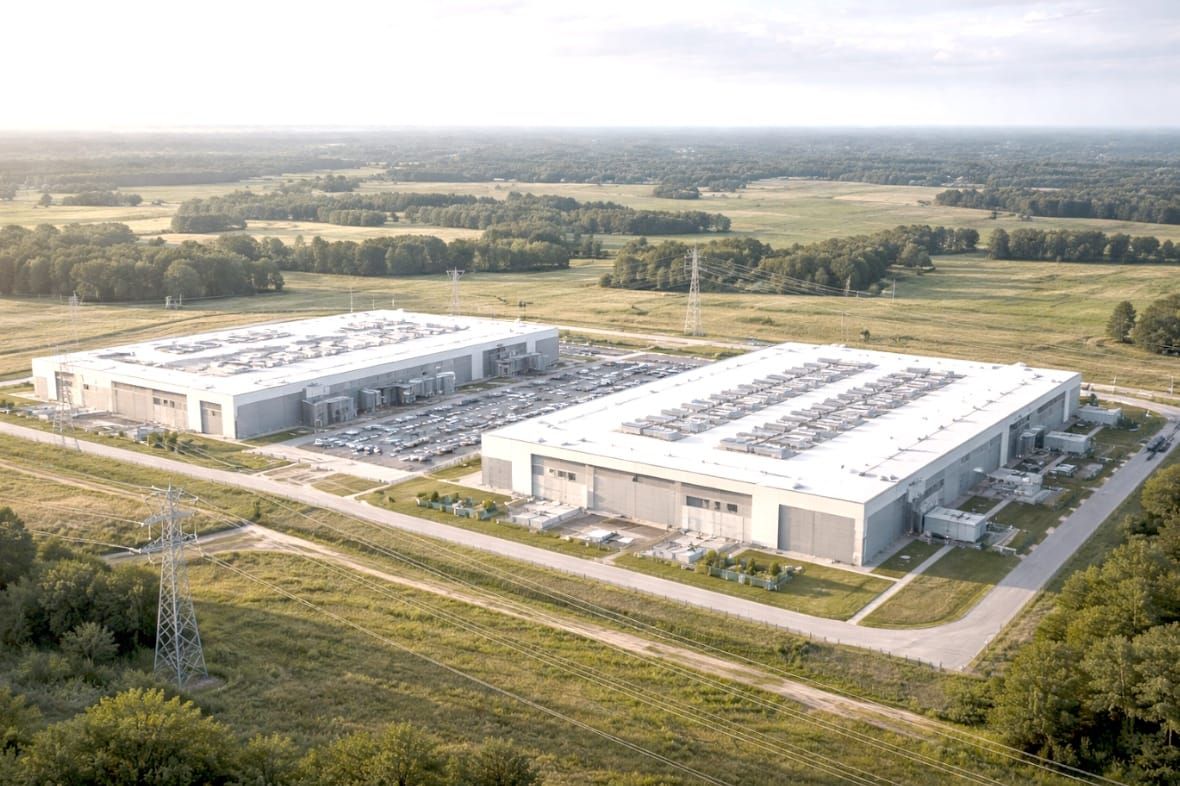
Governor Jeff Landry is positioning Louisiana at the center of the AI Boom
As massive data centers rise across northern Louisiana’s rural landscape, Governor Jeff Landry is positioning the state’s push into artificial intelligence as a generational shift that could reshape its economy for decades. With major projects from Meta and Amazon already underway, Landry has described these facilities as more than construction sites, calling them anchors for high-tech jobs, infrastructure growth and national leadership in the digital economy.
Major Investments in AI
The momentum began in December 2024, when Meta announced a $10 billion AI-focused data center in Richland Parish. Landry called the project a turning point, saying it would bring new jobs, economic growth and long-term opportunities while helping establish Louisiana as a growing force in the technology sector.
The Meta facility is expected to create:
- 500 direct jobs
- 1,000 indirect positions
- Peak construction employment exceeding 5,000.
Landry has defended those projections, calling the project “a great example of how Louisiana is quickly becoming one of the best states in America to do business.”
In a later reflection on the project’s scale, he added, “Louisiana isn’t just a participant in the AI race, we are leading it!”
Amazon's Commitment
Fast forward to Feb. 23, and the announcement of Amazon’s even larger commitment, a $12 billion investment to build multiple technology campuses in Caddo and Bossier parishes. This marks Amazon’s first major footprint in the state and is expected to create more than 6,000 jobs overall.
Standing before a packed crowd at the Shreveport Municipal Auditorium, Landry called it “the largest single investment by a company in the history of northwest Louisiana.” He emphasized the long term vision in his own words:
“Amazon is making a long term commitment to Louisiana because our state delivers, prime sites, strong infrastructure and a skilled, hard working workforce ready to support the next generation of technological innovation. Investments of this magnitude put Louisiana at the center of operations relied on across the country and connect our communities to jobs that power how Americans live, work and do business.”
Landry has been equally emphatic that these projects won’t burden everyday residents.
“This is not going to cost the people of Louisiana any more on their utility rates,” he assured the audience. “You can go find some bad stories in other states, but those stories are not gonna be replicated here.”
The governor has tied the successes directly to recent policy moves, including tax reforms and his “Louisiana Lightning Speed Initiative,” which he says streamlined permitting and infrastructure support to attract such capital at record pace.
Future Prospects
Together, the Meta and Amazon projects reflect a strategy to position Louisiana at the center of the global AI economy, using its affordable land, energy resources and business-friendly climate. Critics, however, warn that the growing energy demands could strain the power grid and raise long-term utility costs for residents.
Additionally, the facilities’ heavy reliance on water for cooling systems raises concerns about local aquifer depletion and increased competition for scarce resources in rural parishes already facing environmental pressures from industrial growth. Yet Landry’s message remains one of unapologetic confidence.
“Louisiana is making generational changes and it starts with what we are doing today.”
For a state long seeking diversification beyond traditional industries, these AI campuses represent more than steel and servers, they are a bet on the future. Whether that bet pays off in sustained prosperity will depend on execution, workforce training, continued smart governance and careful management of the environmental challenges ahead.
State and local officials have expressed optimism that Louisiana’s long standing energy sector, including oil and gas, could play a supporting role in this new wave of technology as demand grows for reliable, large scale power sources.
“Projects like these signal that Louisiana is being taken seriously on a national level. We are seeing opportunities that, just a few years ago, might have gone elsewhere,” says State Representative Daryl Deshotel.
With industrial ready sites across the state, including port properties exceeding 1,000 acres, along with additional development corridors and a workforce experienced in both energy and heavy industry, leaders believe Louisiana is positioned to attract further investment tied to emerging technologies. Those combined assets could help bridge the gap between the state’s traditional economy and its digital future.
If Governor Landry’s recent remarks are any indication, Louisiana intends to lead the AI renaissance rather than chase it. The buildings are rising; the question now is how fully and how responsibly the state will rise with them.



Comments ()