LDH urges safe water use after rare amoeba infections
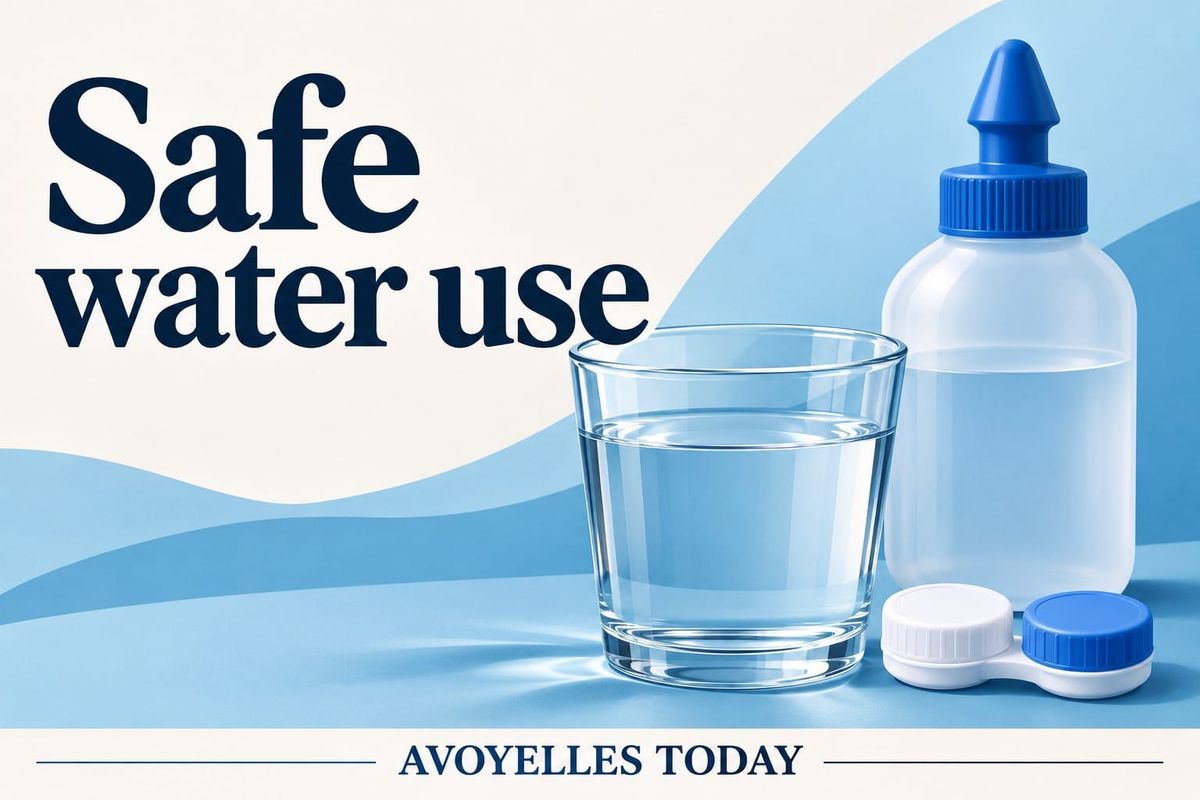
Louisiana health officials are urging residents to take precautions when rinsing their sinuses and handling contact lenses after identifying 10 rare Acanthamoeba infections statewide since 2024.
The LA Dept.of Health issued the warning Oct. 29, reporting that five patients suffered permanent vision loss and one died.
Acanthamoeba is a microscopic organism commonly found in soil, dust and water, including tap water. Although exposure is common, human infections are rare. The organism can cause serious eye infections and, less commonly, infections involving the skin, sinuses or brain.
Eight of the Louisiana cases identified between 2024 and 2026 involved Acanthamoeba keratitis, an eye infection that can affect otherwise healthy people. Seven of those patients wore contact lenses, and five experienced permanent vision loss, according to LDH.
Two other serious infections were identified in 2026. One affected the sinuses, while the other involved the brain and was fatal. Both patients had weakened immune systems and reported using tap water in nasal irrigation devices.
LDH emphasized that the patients’ reported use of tap water does not establish it as the source of their infections.
LDH said drinking tap water poses no known Acanthamoeba risk, but untreated tap water should never be used for nasal rinsing or contact lens care.
“Although these infections are rare, they can have devastating consequences,” State Epidemiologist Theresa Sokol said. “Using the right water for nasal rinsing, following proper contact lens hygiene, and taking precautions with medical devices can help reduce the risk. These steps are especially important for people with weakened immune systems.”
Precautions for water use
Use only distilled, sterile or boiled and cooled water for nasal rinsing and cleaning nasal irrigation devices, LDH advises.
Use recommended contact lens solutions and remove lenses before swimming, showering or using a hot tub.
People using medical equipment, including continuous positive airway pressure, or CPAP, machines, should follow the manufacturer’s instructions for water use, cleaning and maintenance.
Recognizing symptoms
Symptoms of Acanthamoeba keratitis include eye pain, redness, blurred vision, sensitivity to light, excessive tearing or the feeling that something is in the eye. Contact lens wearers who develop these symptoms should promptly seek care from an eye care professional.
Other Acanthamoeba infections primarily affect people with weakened immune systems. Symptoms vary depending on the area affected and can be difficult to recognize.
LDH advises people with weakened immune systems to seek medical attention as soon as possible for concerning symptoms, including seizures, confusion, headaches, weakness, fever or changes involving the sinuses, vision or skin. Patients should tell their health care providers about recent nasal rinsing or other potential water exposures.



Comments ()