
📸 Rediscovered: 1959 Marksville Parade Photos Unveil History! 🎉
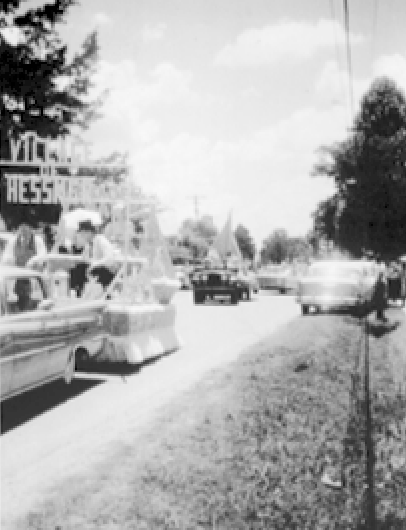
A remarkable collection of long-lost photographs from the 1959 Marksville Sesquicentennial Parade has resurfaced, offering today’s readers a vivid glimpse into Avoyelles Parish as it celebrated Marksville’s 150th anniversary more than six decades ago.
The photographs, recently discovered in an attic, capture scenes from the historic parade held in 1959, when Marksville marked a century and a half since its founding. The images were shared by Mark Jeansonne, who said the photos immediately stood out for their historical significance and the unique story they tell about the parish during that era.
Among the most striking aspects of the images is the presence of a float representing the Village of Hessmer, which had been incorporated only four years earlier at the time. Hessmer officially became a municipality in 1955, making its participation in the sesquicentennial parade a symbol of the village’s early civic pride and growing identity within Avoyelles Parish.
Careful examination of the Hessmer float suggests that Ray Christoffel, believed to be Hessmer’s first mayor, may be pictured riding on the float. If confirmed, the photograph would represent a rare visual record of Hessmer’s earliest leadership during its formative years.
Another powerful image from the collection shows a Tunica Tribe parade entry, featuring Native Americans in full traditional headdress. The image serves as a reminder of the deep Indigenous roots of Avoyelles Parish and the importance of Native American history in the region’s story. The inclusion of the Tunica people in the sesquicentennial celebration reflects an acknowledgment, however limited at the time, of their enduring presence and cultural significance.
Additional photographs depict horses and riders, pageant royalty, and civic organizations participating in the parade, illustrating the pride and pageantry that defined the 1959 celebration. One image shows a float featuring Miss Louisiana Woodmen of the World, highlighting the role of fraternal organizations and community groups that were prominent in mid-20th-century parish life.
The parade itself was a major event for Marksville, drawing residents from across Avoyelles Parish to celebrate the town’s long history and bright future. In 1959, Marksville was a growing community rooted in agriculture, family businesses, and strong civic traditions. The sesquicentennial offered an opportunity not only to honor the past but also to showcase the parish’s progress.
For historians and longtime residents alike, these photographs provide more than just nostalgic images. They offer a visual record of how communities identified themselves, how newly incorporated towns like Hessmer asserted their place, and how cultural heritage was represented during public celebrations of the era. Discoveries such as these attic-found photographs reinforce the importance of preserving family collections, scrapbooks, and old negatives that might otherwise be forgotten. Each image adds another piece to the story of Avoyelles Parish and helps connect today’s residents with those who came before them.
As these newly uncovered photographs show, the 1959 Marksville Sesquicentennial Parade was more than a celebration, it was a snapshot in time, capturing a parish honoring its roots while welcoming new chapters in its history.
To submit any Avoyelles Parish history from the past, email photo, information and contact news@avoyellestoday.com or come by the newspaper office at 208 N. Washington St. in Marksville.
Pictured
- A float representing Hessmer rolls through Marksville in the 1959 Sesquicentennial Parade. Hessmer had been incorporated only four years earlier. Pictured on the float is believed to be Ray Christoffel, Hessmer’s first mayor.
- Horse and wagon riders take part in the 1959 Marksville Sesquicentennial Parade, reflecting the strong agricultural and rural traditions of Avoyelles Parish during the mid-20th century.
Comments ()