
🐍 Springtime Snakes: What Avoyelles Residents Need to Know!
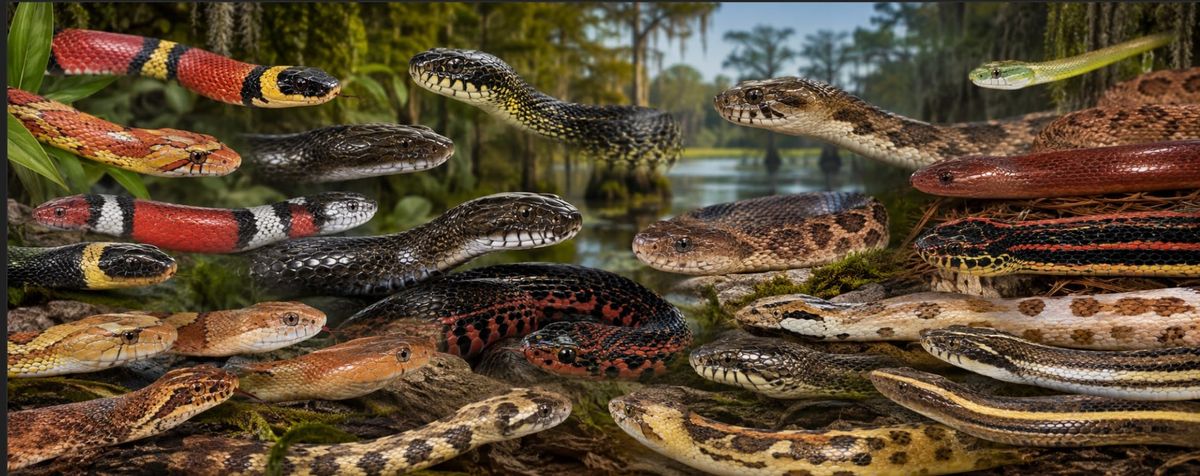
As warmer weather returns across Louisiana, residents in Avoyelles Parish may begin seeing more snakes in yards, gardens, wooded areas, ditches, fields and near waterways.
The Louisiana Department of Wildlife and Fisheries reminds the public that most snakes found in the state are not dangerous. Louisiana has 47 native snake species, and only seven are venomous. The majority are nonvenomous and play an important role in the environment by helping control rodents, insects and other small animal populations.
In Avoyelles Parish, snake sightings are not unusual because of the area’s mix of farmland, bayous, wooded property, drainage ditches, ponds, pastures and low-lying areas. Residents who live near rural fields, wooded lots, Spring Bayou, the Red River, Lake Ophelia area or other wetland areas may be more likely to see snakes, especially as temperatures rise.
Snake activity often increases during spring and early summer, especially from April through July. During hotter months, snakes may become more active during the cooler parts of the day, such as early morning or late evening. After heavy rain, snakes may also move from wet or flooded areas into yards, carports, sheds, barns or higher ground.
Wildlife officials say snakes generally do not seek out people or pets. In most cases, a snake seen near a home or outdoors is trying to move away, find shelter or search for food. Residents are encouraged to avoid approaching, touching or attempting to kill a snake. Trying to handle or kill a snake can increase the risk of a bite.
Officials also note that many harmless snakes may flatten their heads, coil, vibrate their tails or show defensive behavior when frightened. This can make them appear more threatening than they actually are. Because of that, residents should not rely on appearance alone unless they are trained to identify snakes.
For Avoyelles Parish residents, extra caution is advised when working around wood piles, tall grass, barns, sheds, brush piles, culverts, drainage ditches and hunting or fishing areas. People should:
- Look before reaching into dark or covered spaces
- Wear boots and gloves when clearing debris
- Use a flashlight when walking outdoors at night
Homeowners can help reduce snake activity around their property by:
- Keeping grass cut
- Removing piles of wood or debris
- Clearing heavy vegetation
- Sealing openings around the home
- Trimming branches away from rooflines
These steps can also help reduce places where rodents and other prey may hide, which can attract snakes closer to homes. Families with children and pets should remind them not to touch or chase snakes. Pets should be kept away from areas where snakes are spotted, and outdoor pet food should not be left out for long periods because it can attract rodents, which may then attract snakes.
If a snake is spotted, the safest response is to give it space and allow it to leave on its own. If the snake is inside a home, near a frequently used entrance or in an area where it may create a safety concern, residents should contact someone trained in snake removal or a local wildlife authority for guidance.
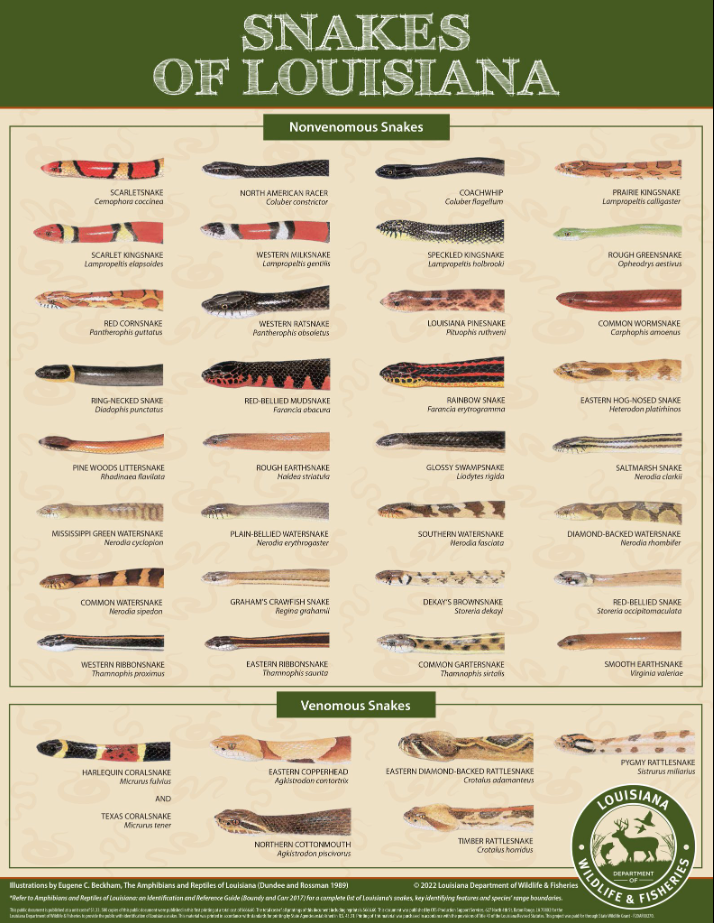
Residents who are unsure about a snake’s identity can refer to LDWF’s “Snakes of Louisiana” identification materials for more information. Officials say snakes remain an important part of Louisiana’s natural environment, including rural communities like Avoyelles Parish. In many cases, simply keeping a safe distance is the best way to avoid conflict.

Comments ()