
Rare Cruise Ship Virus Outbreak Draws Attention, But Public Risk Remains Low
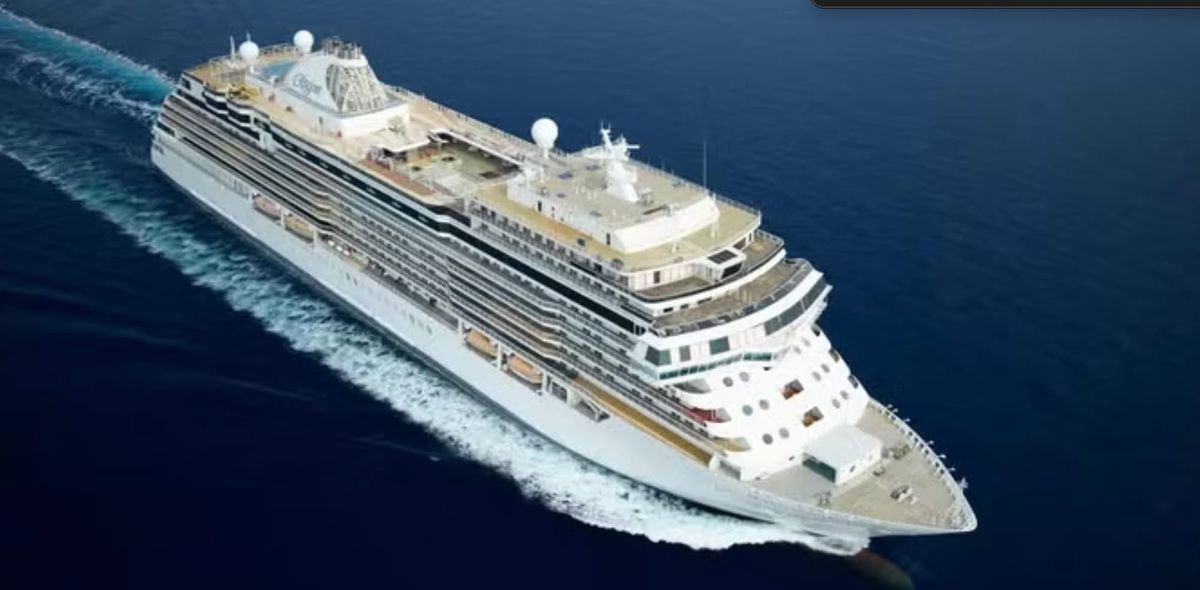
A rare hantavirus outbreak linked to the MV Hondius expedition cruise ship has drawn international concern, but health officials continue to stress that the risk to the general public remains low.
The outbreak has been connected to the Andes virus, a type of hantavirus that can cause hantavirus pulmonary syndrome, a serious illness that affects the lungs. According to public health reports, the illness has been limited to passengers and crew connected to the ship, with no indication of a wider community outbreak. The CDC said the overall risk to the American public and travelers remains “extremely low,” and no outbreak-related cases have been confirmed in the United States as of its latest update.
The MV Hondius had been traveling after departing from Ushuaia, Argentina, when illnesses among passengers raised concern. The ship later became the focus of an international response involving health officials from multiple countries. Passengers were evacuated under protective measures in Tenerife, Canary Islands, with some travelers flown back to their home countries for quarantine or medical monitoring. Details reported from the evacuation included passengers being escorted from the ship by personnel wearing protective equipment.
U.S. health officials have been monitoring 18 Americans who were aboard the vessel. Sixteen were taken to the University of Nebraska Medical Center, while two others were taken to Emory University in Atlanta for observation and testing. Federal officials have said the situation is being handled with caution because of the serious nature of the virus, not because it is believed to pose a broad threat to the public.
Hantaviruses are most often spread through contact with infected rodents or their droppings, urine or saliva. The Andes virus is unusual because, in rare cases, it has been linked to person-to-person transmission. Health officials say that kind of spread typically requires close or prolonged contact with someone who is sick.
Symptoms may begin one to eight weeks after exposure and can include fever, chills, muscle aches, fatigue, dizziness, headaches, nausea, vomiting, diarrhea and stomach pain. In severe cases, the illness can progress to coughing, difficulty breathing and fluid buildup in the lungs.
The World Health Organization has recommended continued monitoring for people who may have been exposed because of the virus’s long incubation period. Health officials have also cautioned that additional cases may still be identified among those already connected to the ship, even if the general public remains at very low risk.
For Louisiana residents, there is no indication of a local threat tied to the cruise ship outbreak. Still, health officials say the situation is a reminder of how quickly rare illnesses can gain attention through international travel.
Anyone who has recently traveled internationally and develops severe flu-like symptoms, especially trouble breathing, should contact a medical provider and share their travel history. The most important step is not panic, but awareness.



Comments ()