The Possum, the Tick, and the Truth
By: Dr. Jay Callegari
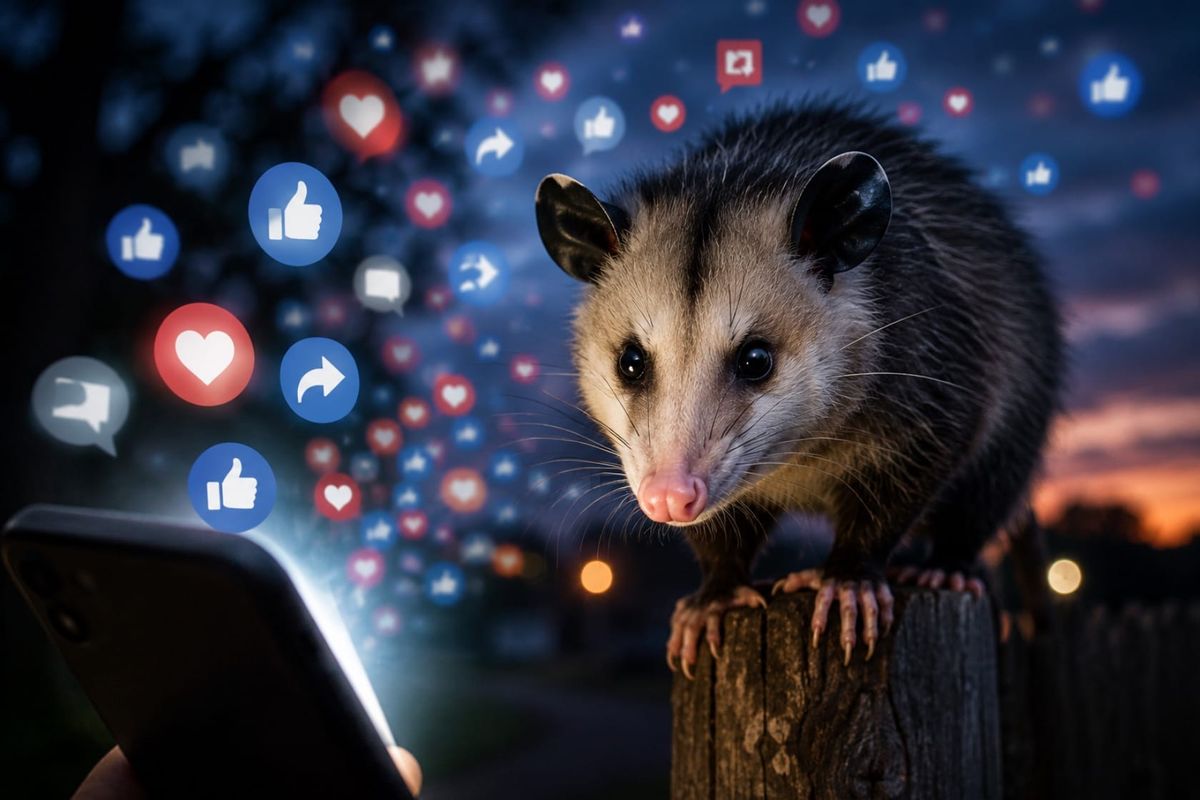
A few days ago, I saw yet another social media post making the rounds. It featured a picture of a possum and proudly proclaimed that possums are one of nature’s greatest allies because they eat thousands of ticks each year. As an avid outdoorsman the concept intrigued me.
The post had been shared hundreds, perhaps thousands, of times. People were commenting, liking, and repeating the claim as if it were an established scientific fact.
There is just one problem.
Current scientific research does not support the popular claim that possums consume large numbers of ticks. While an early study led many people to believe they were tick-eating machines, more recent research examining the actual stomach contents and diets of wild possums found little evidence that ticks make up any significant portion of what they eat.
Now, before the possum lovers get upset, this is not an attack on possums. They are fascinating animals and serve important roles in the ecosystem. The point is not whether possums are good or bad.
The point is how easily information spreads when it sounds good, or bad.
Someone creates a graphic. Someone else shares it. A few more people repost it. Before long, a claim becomes accepted as fact, not because it has been verified, but because it has been repeated.
The possum-and-tick story is harmless enough. Most of us can laugh about it and move on. Unfortunately, the same process occurs every day in politics, public policy, and current events.
A rumor starts. A quote is taken out of context. A candidate is accused of something. A government agency is blamed for something. A statistic appears without a source. Then people who trust the person sharing it pass it along to others. Within hours, thousands of people may believe something that was never true to begin with.
The danger is not that people are intentionally dishonest. The danger is that many of us have become accustomed to consuming information in short snippets, headlines, memes, and social media posts rather than taking the time to verify what we are seeing.
As a society, we seem increasingly willing to accept information that confirms what we already believe while ignoring the question we should ask first:
“Is it actually true?”
The next time a post appears in your news feed that makes you angry, excited, or eager to hit the share button, take a moment. Check the source. Read beyond the headline. Look for evidence.
The truth deserves at least as much effort as it takes to click “share.”
And who knows? You might even discover that the possum you’ve been defending all these years wasn’t eating nearly as many ticks as you thought.



Comments ()